
By: Dr. Tariq Jagnarine
Why are more people in their 30s and 40s suffering heart attacks, and how can they be prevented?
Understanding a Heart Attack
A heart attack (myocardial infarction) occurs when blood flow to part of the heart is suddenly blocked, usually by a clot forming in a blood vessel that supplies the heart muscle. When this happens, the heart muscle begins to die due to a lack of oxygen. Without quick treatment, the damage can be severe or fatal. Many people still believe heart attacks only affect the elderly. In Guyana, this belief is becoming increasingly dangerous. More young and middle-aged adults are experiencing heart attacks, often with little warning and during the most productive years of their lives.
Why This Matters in Guyana
Heart disease is one of the leading causes of death in Guyana, and the age at which people are being affected is dropping. Hospitals are seeing patients in their 30s and 40s presenting with chest pain, shortness of breath, and collapse. These are people who were working, raising families, and supporting households just days or even hours before. The impact is devastating. Families lose breadwinners, children lose parents, and communities lose productive members. What makes this especially tragic is that many heart attacks are preventable.
What Health Workers Are Seeing
Doctors and nurses across Guyana increasingly report younger patients arriving with severe heart attacks. Many are shocked by the diagnosis, often saying, “Doctor, I’m too young for this.” In many cases, these patients had undiagnosed or poorly controlled high blood pressure, diabetes, high cholesterol, or obesity. Others smoked, drank alcohol heavily, or lived under constant stress. Some had no previous symptoms at all before the heart attack occurred. As a result, many providers are recommending
What Causes Heart Attacks
The most common cause of heart attacks is blockage of the blood vessels supplying the heart. Over time, unhealthy habits lead to fatty deposits building up inside these vessels. Eventually, a clot can form and suddenly stop blood flow.
High blood pressure damages blood vessels, diabetes accelerates blockage, smoking narrows arteries, and high cholesterol contributes to plaque formation. Obesity and physical inactivity worsen all of these risks. Heart attacks rarely result from one factor alone; they develop from years of combined risks. Additionally, genetic profiles of the Guyana population plays a role as the South Asian and African ancestry of Guyanese patients places them at a higher risk of heart disease, hypertension, kidney failure, and more.
Who Is Most at Risk
Although anyone can have a heart attack, younger adults are at higher risk if they have high blood pressure, diabetes, high cholesterol, or obesity. Smoking and excessive alcohol use significantly increased risk. Men tend to experience heart attacks earlier than women, though women often have worse outcomes.
A family history of heart disease also increases risk. Importantly, stress, long working hours, poor diet, and lack of exercise are placing younger Guyanese at increasing danger.
Warning Signs That Should Never Be Ignored
Heart attack symptoms can vary, especially in younger people. Common warning signs include chest pain or pressure, pain spreading to the arm, neck, jaw, or back, shortness of breath, sweating, nausea, dizziness, and extreme fatigue (Figure 1).
Some people experience mild symptoms and delay seeking help, hoping the pain will pass. This delay can be deadly. Early medical attention saves heart muscle and lives.
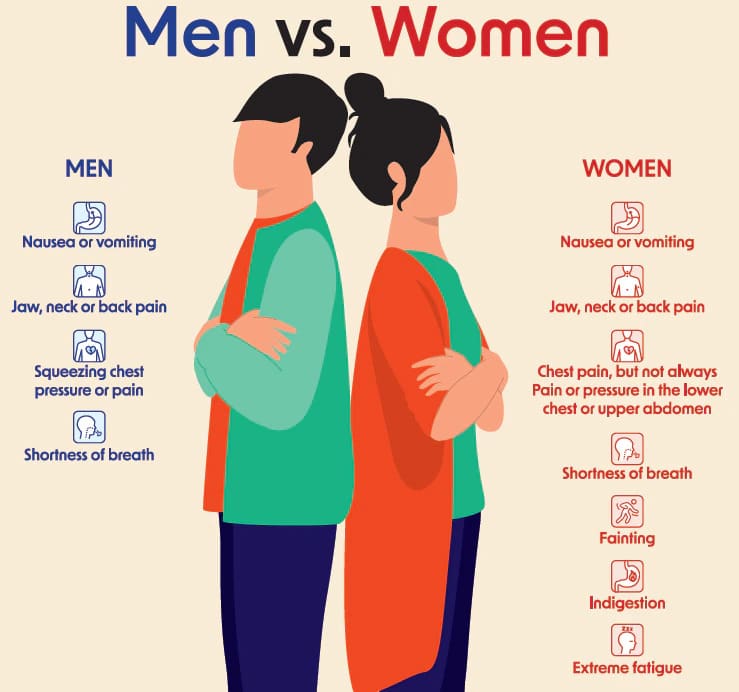
Figure 1. Symptoms of heart attack for men and women.
What To Do During a Suspected Heart Attack
If someone experiences sudden chest pain, severe discomfort, or shortness of breath, they should seek medical help immediately. Do not wait, do not self-medicate, and do not attempt home remedies. Getting to a hospital quickly can mean the difference between survival and death.
Family members and coworkers must take symptoms seriously and act fast.
Diagnosis and Treatment
Heart attacks are diagnosed using clinical assessment, heart tracings, blood tests, and imaging. Treatment focuses on restoring blood flow to the heart as quickly as possible and preventing further damage.
After survival of a heart attack, long-term treatment includes medication, lifestyle changes, and regular follow-up to prevent another event. Many people can return to productive lives with proper care.
Why This Matters for Patients in Georgia
Heart attacks are also a leading cause of death in Georgia, and the patterns seen in Guyana closely mirror what health professionals are seeing across the state. In Georgia, heart attacks are not only affecting older adults, rather they are increasingly impacting people in their 30s, 40s, and 50s, particularly in communities facing high rates of high blood pressure, diabetes, obesity, and smoking. Both urban and rural hospitals report younger patients arriving with severe heart attacks, often with no prior warning and sometimes with limited access to regular preventive care.
Georgia’s “Stroke Belt” and broader cardiovascular risk profile place many residents at higher danger. Factors such as poor access to primary care in rural areas, food insecurity, diets high in salt and processed foods, long working hours, chronic stress, and low levels of physical activity all contribute to earlier and more severe heart disease. For many families, a heart attack does not just affect one person, but it disrupts households, livelihoods, and entire communities.
Healthcare workers in Georgia frequently encounter patients who are shocked by their diagnosis, saying they were “too young” or “felt fine” before the event. Many had undiagnosed or poorly controlled blood pressure, diabetes, or high cholesterol, while others delayed seeking care because symptoms seemed mild or inconvenient. These delays can be deadly, especially when emergency services or hospitals are far away.
The impact in Georgia, as in Guyana, is profound but not inevitable. Most heart attacks seen across the state are preventable with early screening, consistent medical care, healthier lifestyles, and faster response to warning signs. Recognizing that heart disease affects Georgians of all ages.
Preventing Heart Attacks
Most heart attacks can be prevented by addressing risk factors early. Regular blood pressure and blood sugar checks are essential. Eating a balanced diet, reducing salt and fatty foods, staying physically active, avoiding smoking, limiting alcohol, and managing stress all protect the heart.
Taking prescribed medication consistently, even when you feel well, is critical. Prevention starts years before symptoms appear.
Being young does not make you immune to heart disease. Ignoring your health today can cost you your future. Strength is not pushing through pain; strength is protecting your life and your family.
Know your numbers. Make healthier choices. Seek care early. Heart attacks are no longer diseases of old age alone. In Guyana, they are striking younger adults with devastating consequences. Yet many of these events are preventable.
Do not wait until a heart attack forces a change. Protect your heart now. Your heart must last a lifetime. Take care of it today.

Dr. Tariq Jagnarine
Dr. Tariq Jagnarine is a Family Medicine physician with clinical interests in Endocrinology and Diabetes. Dr. Jagnarine is also a Public Health Policy Consultant with speciality interests in infectious disease, climate change, and mental health. Dr. Jagnarine is a Masters of Public Health student at Emory University, Rollins School of Public Health.